
Recenzja kasyna online BetScore: Bonusy, gry i metody płatności

Recenzja kasyna online BetScore: Bonusy, gry i metody płatności
Trzy punkty decydują o tym, czy kasyno online jest warte czasu gracza: co oferuje na początek, co znajduje się w bibliotece gier po zakończeniu okresu miodowego oraz jak szybko pieniądze przepływają w obie strony. Ta recenzja kasyna BetScore omawia wszystkie trzy elementy, bez popadania w bezsensowne szczegóły.

Bonus powitalny: Co jest na stole

Oferta powitalna BetScore jest zazwyczaj skonstruowana jako zestaw depozytu – zazwyczaj w przedziale 100%–150% od pierwszego depozytu – w połączeniu z zestawem darmowych obrotów na wybranym automacie. Jednak to nie zestaw depozytu ma tak naprawdę znaczenie; to wymagania dotyczące zakładów z tym związane.

Termin Dlaczego to ważne
Wymagania dotyczące zakładów (np. 30x–40x) Całkowita kwota, którą należy postawić, aby można było wypłacić środki z bonusu
Ceny wkładu w grę Automaty często liczą się w 100%; Gry stołowe często liczą się znacznie mniej
Maksymalny zakład, gdy bonus jest aktywny Przekroczenie go może spowodować utratę całego bonusu
Wygaśnięcie nagrody Niewykorzystane środki zazwyczaj przepadają po określonej liczbie dni

Po okresie obowiązywania oferty powitalnej

  • Cotygodniowe bonusy odnawiane za transfer graczy
  • Pakiety darmowych obrotów powiązane z nowo wydanymi portami
  • Mechanizm cashback zwracający procent strat netto w określonym przedziale czasowym
  • Punkty zaangażowania zdobywane za zakłady na prawdziwe pieniądze, wymienialne na kredyty bonusowe

Gra Biblioteka

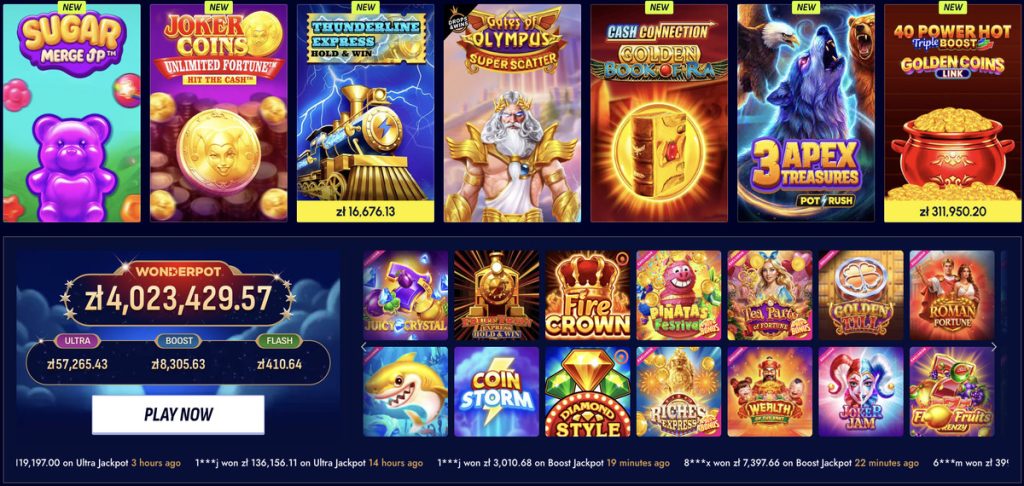
Katalog BetScore, podobnie jak wiele współczesnych kasyn, opiera się w dużej mierze na grach slotowych, jednak to właśnie różnorodność w tej grupie wyróżnia BetScore na tle mniejszych rywali.poczytaj o tym betscore z naszych artykułów Spodziewaj się tradycyjnych gier z trzema bębnami, a także nowoczesnych gier Megaways i techników wypłat klastrowych, a także zmieniającego się wyboru progresywnych nagród, które łączą nagrody w całej sieci.

  • Porty: tradycyjne, wideo, z nagrodami i gry Megaways o wysokiej zmienności
  • Kasyno na żywo: blackjack, ruletka na żywo, bakarat i układy teleturniejów z prawdziwymi krupierami
  • Gry stołowe: liczne odmiany ruletki na żywo, wideo poker i gry specjalistyczne

Porównanie metod rozliczeń

Metoda Typowa szybkość wpłaty Standardowa szybkość wypłat
Karta debetowa/kredytowa karta Natychmiast 2–5 dni roboczych
Portfel elektroniczny Natychmiast Od tego samego dnia do 24 godzin
Przelew bankowy Od tego samego dnia do 1 dnia roboczego 2–5 dni roboczych
Kryptowaluta (jeśli dostępna) Prawie natychmiast Od kilku minut do kilku godzin

Te liczby to typowe dane rynkowe, a nie zapewnienia — rzeczywisty czas zależy od aktualnych zasad przetwarzania kasyna i tego, czy weryfikacja tożsamości została już zakończona, dlatego warto sprawdzić szczegóły na samej stronie przed podjęciem decyzji. nich.

Zalety i wady

Zalety Wady
Konkurencyjna oferta bonusu powitalnego z wieloma poziomami Gry stołowe często wnoszą znacznie mniej do zakładów
Bogaty, zróżnicowany katalog slotów Wypłaty kartą znacznie wolniejsze niż w przypadku alternatyw
Alternatywa dla kryptowalut dla szybkich wypłat Nie każda metoda płatności jest dostępna w każdym regionie
Regularne promocje doładowań i cashback Warunki premii wymagają dokładnej analizy

Ostatnia opinia

BetScore zarabia na swoje utrzymanie dzięki naprawdę bogatej bibliotece gier i Stos wypłat jest wystarczająco wszechstronny, aby sprostać wymaganiom zarówno tradycyjnych graczy, jak i tych, którzy stawiają na kryptowaluty. Oferta bonusowa jest teoretycznie konkurencyjna, ale jak w każdym kasynie, jej prawdziwa wartość ujawnia się dopiero po uwzględnieniu warunków zakładów i stawek płatności.

Hazard niesie ze sobą ryzyko finansowe. Sprawdź legalność kasyna w swoim regionie i graj rozsądnie.

The Dead Internet Theory: Is Most of the Web Already Fake?

The internet has transformed dramatically over the last two decades. What was once a place where millions of
people shared personal blogs, unique websites, and genuine conversations has evolved into an ecosystem dominated
by algorithms, artificial intelligence, and automated content. This shift has given rise to one of the internet’s
most fascinating conspiracy theories: The Dead Internet Theory.

According to supporters of the theory, a large portion of today’s online activity is no longer created by real
people. Instead, bots, AI systems, automated marketing tools, and synthetic media are allegedly responsible for
much of what users see every day. While many experts reject the more extreme claims, the theory continues to gain
attention across Reddit, YouTube, and social media because it raises important questions about authenticity in
the digital age.

What Is the Dead Internet Theory?

The Dead Internet Theory suggests that the internet effectively “died” sometime in the late 2010s. Rather than
being powered primarily by human interaction, the modern web is believed to be increasingly populated by
automated systems generating articles, comments, images, videos, and even social media discussions.

While the theory is often presented as a conspiracy, its central idea reflects a growing concern: it is becoming
harder to distinguish genuine human content from material created by machines.

Why Has the Theory Become So Popular?

Several technological trends have made the theory feel more believable to many internet users.

  • AI can now write convincing articles within seconds.
  • Image generators create realistic photos of people who do not exist.
  • Social media platforms are filled with automated accounts.
  • Recommendation algorithms often amplify repetitive or low-quality content.
  • Spam websites publish thousands of AI-generated pages every day.

Together, these developments create the impression that authentic human voices are becoming increasingly difficult
to find online.

The Role of Artificial Intelligence

Modern AI tools have dramatically changed content creation. Businesses use AI to generate marketing copy,
customer support responses, product descriptions, and even news summaries. Individual creators rely on AI to
brainstorm ideas, edit videos, design graphics, and translate content into multiple languages.

While these technologies improve productivity, they also contribute to an internet where machine-generated
material appears alongside human-created work with little obvious distinction.

Are Bots Really Everywhere?

Automated accounts have existed almost as long as social media itself. Some bots provide useful services, such as
posting weather updates or monitoring software issues. Others are designed to spread spam, manipulate public
opinion, inflate engagement metrics, or promote products.

Studies have repeatedly shown that a noticeable percentage of activity on major platforms comes from automated
accounts. Although this does not mean that most users are fake, it does contribute to the perception that online
conversations are becoming less authentic.

How Algorithms Shape Our Reality

Even when content is created by real people, algorithms determine what most users actually see. Social media
feeds prioritize engagement, often promoting controversial, emotional, or highly shareable posts over quieter,
more thoughtful discussions.

This creates an environment where users repeatedly encounter similar opinions, viral trends, and recycled
content, reinforcing the feeling that the internet has become artificial or repetitive.

Evidence Supporting the Theory

Although there is no proof that the internet is mostly fake, several observable trends give the theory some
credibility.

  • Rapid growth of AI-generated websites.
  • Increasing numbers of automated social media accounts.
  • Mass-produced articles designed solely for search engine rankings.
  • Deepfake videos becoming easier to create.
  • Fake reviews and synthetic customer testimonials.

These developments demonstrate that automation now plays a significant role in shaping the online experience.

Arguments Against the Theory

Critics argue that the Dead Internet Theory exaggerates real technological trends. Billions of people continue to
communicate online every day through messaging apps, forums, video calls, gaming communities, and social media.
Human creativity remains visible across countless independent creators, artists, educators, and developers.

Rather than replacing humans entirely, AI is more accurately viewed as a tool that assists people in creating
content faster and more efficiently.

How to Spot Authentic Content

As AI-generated material becomes more common, digital literacy is increasingly important. Users can reduce the
risk of being misled by following a few simple practices.

  1. Verify information using multiple trusted sources.
  2. Check the author’s identity and reputation.
  3. Look for original research and personal experience.
  4. Be cautious of sensational headlines designed only to generate clicks.
  5. Question images or videos that appear unusually perfect or unrealistic.

What Does the Future Hold?

Artificial intelligence will almost certainly continue expanding its presence across the internet. More articles,
videos, illustrations, and software will be created with the help of AI systems. The challenge will not be
preventing automation but ensuring transparency about how content is produced.

Governments, technology companies, and researchers are already exploring methods for watermarking AI-generated
media, improving content verification, and helping users identify authentic sources of information.

Final Thoughts

The Dead Internet Theory remains a fascinating blend of conspiracy, observation, and legitimate concern. While
there is little evidence that the internet is mostly populated by bots, there is no doubt that automation and
artificial intelligence are changing how online content is created and consumed.

Whether the theory is ultimately proven right or wrong, it highlights an important reality: authenticity is
becoming one of the most valuable resources on the modern internet. As AI-generated content continues to grow,
the ability to recognize trustworthy information and genuine human creativity will become more important than
ever before.